grok i need a dense technical document explained in detail to a class of first year med students:
"Pathway","Mechanistic_references_needed_or_best_evidence_types","Example_search_query_to_locate_primary_mechanistic_papers"
"Molecular mimicry GBS (axonal or demyelinating)","Human anti‑ganglioside serology studies; peripheral nerve biopsy immunostaining for complement (C3/C5b‑9); cross‑reactivity epitope mapping between spike/microbial antigens and nerve glycolipids",""anti‑ganglioside serology Guillain‑Barré spike cross‑reactivity""
"Molecular mimicry CIDP-like neuropathy post-vaccine","Paranodal/nodal antibody studies (NF155, NF186, Caspr1) in post‑exposure CIDP‑like cases; nerve biopsy or teased‑fiber ultrastructure showing paranodal disruption; longitudinal electrophysiology and CSF data",""NF155 NF186 Caspr1 CIDP post‑vaccination paranodal antibody case series""
"Post-vaccine AIDP","EMG/NCS‑confirmed AIDP series with CSF albuminocytologic dissociation; nerve root pathology showing macrophage‑mediated myelin stripping and complement deposition",""AIDP post‑vaccination EMG CSF complement C5b‑9 nerve biopsy""
"Post-vaccine AMAN/AMSAN (axonal GBS variants)","Anti‑GM1/GD1a/GM1b serology panels in acute axonal GBS after immune exposure; axonal membrane immunopathology or nerve excitability studies demonstrating membrane attack",""anti‑GM1 GD1a AMAN post‑vaccine serology nerve pathology""
"Small fiber neuropathy post-vaccination","Objective IENFD skin‑biopsy series; quantitative sensory testing and autonomic testing cohorts; studies reporting FGFR3 or other SFN‑associated autoantibodies with pre/post timing",""intraepidermal nerve fiber density post‑vaccination FGFR3 autoantibody small fiber neuropathy""
"Post-vaccine painful sensory neuropathy","DRG/nerve biomarker studies; cytokine/neuropeptide profiling in acute sensory neuropathies; skin biopsy + QST confirming small‑fiber loss in painful presentations",""dorsal root ganglion inflammation cytokine profiling post‑vaccination painful neuropathy""
"Autonomic neuropathy and POTS post-vaccination","Tilt‑table cohorts with objective autonomic reflex testing; validated GPCR (adrenergic/muscarinic) autoantibody assays with case‑control comparison; small‑fiber autonomic testing",""GPCR autoantibodies POTS cohort post‑vaccination tilt‑table study""
"Immune mediated brachial neuritis Parsonage Turner post vaccine","Plexus MRI series showing inflammatory enhancement; EMG localization and, where available, plexus biopsy or inflammatory cell profiling (T cell/macrophage)",""Parsonage‑Turner MRI EMG post‑vaccination inflammatory plexopathy""
"Facial nerve mononeuropathy Bell palsy post vaccine","Facial nerve MRI with enhancement; CSF or nerve inflammatory marker studies; studies comparing facial nerve inflammation biomarkers in vaccine‑associated vs idiopathic Bell palsy",""facial nerve MRI inflammation Bell palsy post‑vaccination CSF markers""
"Mononeuritis multiplex vasculitic neuropathy post vaccine","Nerve biopsy reports demonstrating leukocytoclastic vasculitis, immune‑complex deposition and complement staining in vasa nervorum; ANCA/immune complex serology correlated with nerve pathology",""nerve biopsy leukocytoclastic vasculitis post‑vaccination immune‑complex complement""
"Radiculoplexus neuropathy post vaccination","Root/plexus MRI with contrast enhancement; EMG/nerve conduction localization; CSF inflammatory markers and, if available, root biopsy or surgical pathology",""radiculoplexus MRI enhancement post‑vaccination EMG CSF inflammation""
"Immune mediated cranial polyneuropathy post vaccine","Cranial nerve MRI and electrophysiology; antibody panels (ganglioside, neuronal surface) and CSF inflammatory markers documenting multifocal cranial nerve inflammation",""cranial polyneuropathy antibody panel post‑vaccination cranial nerve MRI""
"Transverse myelitis post vaccination","Spinal MRI lesion characterization (longitudinal extent, enhancement), CSF (pleocytosis, OCBs), and MOG/AQP4 serology; pathology when available",""transverse myelitis post‑vaccination spinal MRI MOG AQP4 CSF""
"Acute disseminated encephalomyelitis ADEM post vaccination","MRI pattern analyses (multifocal white‑matter lesions), CSF immunology, MOG serology and monophasic course documentation in mechanistic case series",""ADEM post‑vaccination MRI MOG CSF monophasic case series""
"New onset multiple sclerosis like demyelinating disease","Pre/post MRI comparisons where available; oligoclonal band and intrathecal IgG studies; registry analyses distinguishing transient post‑immune lesions from MS conversion",""new‑onset multiple sclerosis after vaccination pre post MRI oligoclonal bands registry""
"Optic neuritis post vaccination (MOG/AQP4)","Antibody‑confirmed MOG and AQP4 case reports with OCT and orbital MRI; mechanistic discussion of antibody pathogenicity and optic nerve histopathology when available",""MOG AQP4 optic neuritis post‑vaccination OCT MRI antibody confirmed""
"Immune mediated encephalitis post vaccine (neuronal surface antibodies)","CSF neuronal‑surface antibody confirmation (eg anti‑NMDA, LGI1), intrathecal synthesis data, and immune profiling of CSF/brain tissue in case series",""anti‑NMDA LGI1 encephalitis post‑vaccination CSF antibody intrathecal synthesis""
"Transient vaccine related neuroinflammation","Serial cytokine profiling (IL‑6, IFNs, TNF), BBB permeability markers, and translational studies linking systemic cytokines to transient CNS/nerve dysfunction",""cytokine kinetics IL‑6 IFN post‑vaccination blood brain barrier markers""
"Bystander activation of autoreactive lymphocytes","TCR/BCR repertoire sequencing pre/post exposure; single‑cell immune profiling showing expansion of autoreactive clones after strong immune stimulation",""TCR repertoire expansion after vaccination single cell sequencing autoreactive clones""
"Endothelial activation by vaccine encoded spike","Human studies measuring circulating spike protein, endothelial activation biomarkers (vWF, soluble thrombomodulin), and in‑vivo endothelial dysfunction assays",""circulating spike protein endothelial activation vWF thrombomodulin human study""
"LNP driven innate immune activation and neuropathic symptoms","Translational human studies measuring NLRP3/IL‑1β/IL‑18 after LNP exposure; preclinical LNP inflammasome activation with corroborating human cytokine signatures",""LNP NLRP3 inflammasome human cytokine signature mRNA vaccine""
"PEG or lipid hypersensitivity with secondary neuro effects","Mechanistic allergy reports documenting PEG IgE/non‑IgE reactions; case series where documented anaphylaxis/hypotension led to secondary neurologic injury with objective testing",""PEG hypersensitivity anaphylaxis neurologic sequelae case series""
"Immune complex vasculopathy and small vessel neuropathy","Nerve and skin biopsy series showing immune‑complex deposition, complement activation and leukocytoclastic small‑vessel vasculitis with ischemic nerve injury",""immune complex vasculitis nerve biopsy complement deposition post‑vaccination""
"Complement activation in post vaccine neuropathies","Pathology studies with C1q/C3/C5b‑9 immunostaining on nerve tissue; mechanistic papers linking antibody triggers to MAC‑mediated nerve injury",""C5b‑9 nerve biopsy Guillain‑Barré complement immunostaining""
"Functional neurological disorder post vaccination","Prospective FND clinic series describing positive clinical signs, brain network imaging studies, and diagnostic criteria distinguishing FND from structural neuropathy",""functional neurological disorder post‑vaccination prospective clinic positive signs""
"Chronic headache and central sensitization after vaccination","Prospective headache cohorts with baseline characterization, central sensitization inventories, and neuroimaging of pain networks correlated with immune markers",""post‑vaccination chronic headache central sensitization cohort neuroimaging""
"Post vaccine myositis with neuropathic overlap","Muscle biopsy immunopathology reports, EMG studies and case series documenting inflammatory myositis with concurrent small‑fiber or peripheral nerve involvement",""vaccine associated myositis muscle biopsy EMG neuropathy overlap""
"Immune reactivation of pre existing neuropathy","Registry analyses comparing relapse rates pre/post vaccination; immunophenotyping during relapse showing memory T/B cell activation",""relapse CIDP MS after vaccination registry immunophenotyping""
"A. MOG antibody disease (MOGAD) presenting post-vaccine","Antibody‑confirmed MOGAD case series with MRI phenotype, serology, and mechanistic discussion of anti‑MOG pathogenicity",""MOGAD post‑vaccination antibody confirmed case series MRI""
"B. Complement-mediated microvascular neuropathy / TMA-like nerve ischemia","Nerve biopsy/autopsy reports showing microthrombi and MAC deposition in microvessels; hematologic TMA workups and complement pathway analyses",""thrombotic microangiopathy nerve biopsy complement MAC microthrombi""
"C. Autoimmune autonomic ganglionopathy (AAG) beyond POTS","Ganglionic AChR and GPCR autoantibody studies with objective autonomic testing and treatment response data",""ganglionic AChR antibody autonomic ganglionopathy case series""
"D. LNP-driven inflammasome neuropathy (innate-to-adaptive amplification)","Human translational studies measuring inflammasome markers (NLRP3, IL‑1β/IL‑18) after LNP exposure and studies linking innate activation to adaptive autoreactivity",""LNP inflammasome NLRP3 IL‑1β human study adaptive autoimmunity""
"E. Post-vaccine small-vessel vasculitic neuropathy with biopsy confirmation","Nerve biopsy case reports with immunofluorescence and complement staining demonstrating small‑vessel vasculitis and ischemic nerve injury",""nerve biopsy small vessel vasculitis immunofluorescence complement post‑vaccination""
"F. Immune-checkpoint-like reactivation of latent neuroimmunologic disease (relapse triggers)","Registry and mechanistic immunophenotyping studies documenting immune‑triggered relapses (analogue to checkpoint inhibitor biology) with timing and cellular profiling",""immune checkpoint reactivation relapse MS CIDP post‑vaccination registry immunophenotype""
"G. Paraneoplastic-style neuronal surface antibody encephalitides temporally associated with vaccination","CSF and serum neuronal‑surface antibody confirmation, intrathecal synthesis reports, and full paraneoplastic workups in case series",""anti‑NMDA LGI1 encephalitis post‑vaccination CSF intrathecal synthesis paraneoplastic workup""
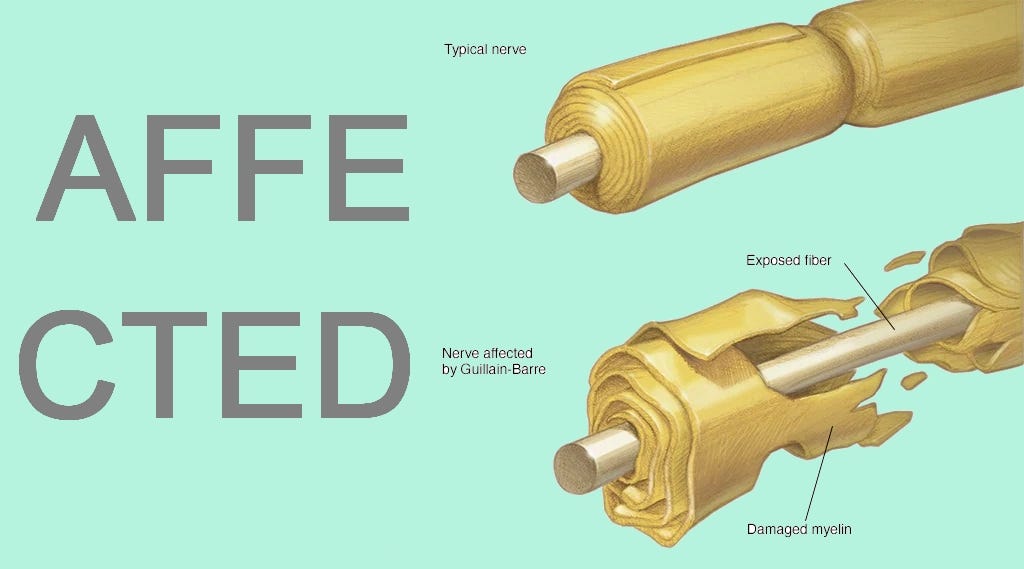
Mechanisms of Post-Vaccination Neuroimmune Syndromes
Lecture Handout for First-Year Medical Students
Good morning, class. You have just finished your immunology block (innate vs adaptive immunity, antibodies, complement, molecular mimicry) and neuroanatomy/physiology (peripheral nerves, myelin, nodes of Ranvier, dorsal root ganglia, blood-nerve barrier, autonomic testing). Today we apply that foundation to a structured list of proposed mechanistic pathways for rare neurological events reported after vaccination.
For each pathway I will:
Give a plain-English explanation using only concepts you already know.
State the mechanistic references needed (the exact studies or tissue-level data that would prove the pathway, not just temporal association).
Give the ready-to-paste PubMed-style search query so you can pull the primary papers yourselves.
This is dense but organized exactly like a differential-diagnosis framework you will use on wards. Keep your immunology textbook open—everything here is built on molecular mimicry, complement activation, bystander activation, epitope spreading, and innate-to-adaptive crosstalk.
1. Molecular mimicry GBS (axonal or demyelinating)
Explanation: The vaccine antigen (or the spike protein it encodes) shares amino-acid or carbohydrate sequences with gangliosides (GM1, GD1a, GQ1b) on peripheral-nerve membranes. Your B cells make IgG antibodies against the foreign antigen; those antibodies cross-react, fix complement, and either strip myelin (AIDP) or punch holes directly in axonal membranes (AMAN/AMSAN). Result: ascending weakness, areflexia, and the classic albumino-cytologic dissociation in CSF. This is the same mechanism you learned for Campylobacter-triggered GBS.
Mechanistic references needed or best evidence types: Human anti‑ganglioside serology studies; peripheral nerve biopsy immunostaining for complement (C3/C5b‑9); cross‑reactivity epitope mapping between spike/microbial antigens and nerve glycolipids
Example search query to locate primary mechanistic papers: "anti‑ganglioside serology Guillain‑Barré spike cross‑reactivity"
2. Molecular mimicry CIDP-like neuropathy post-vaccine
Explanation: Same cross-reactivity idea as above, but the antibodies target paranodal proteins (neurofascin-155, contactin-associated protein 1/Caspr1, neurofascin-186) instead of compact myelin. The nodes of Ranvier are disrupted → slowed conduction, chronic course, and steroid/plasmapheresis responsiveness. Think “GBS that never stops.”
Mechanistic references needed or best evidence types: Paranodal/nodal antibody studies (NF155, NF186, Caspr1) in post‑exposure CIDP‑like cases; nerve biopsy or teased‑fiber ultrastructure showing paranodal disruption; longitudinal electrophysiology and CSF data
Example search query to locate primary mechanistic papers: "NF155 NF186 Caspr1 CIDP post‑vaccination paranodal antibody case series"
3. Post-vaccine AIDP
Explanation: Classic acute demyelinating form of GBS. Macrophages invade the myelin sheath under complement attack; you see “onion-bulb” formation on biopsy and multifocal conduction block on nerve-conduction studies.
Mechanistic references needed or best evidence types: EMG/NCS‑confirmed AIDP series with CSF albuminocytologic dissociation; nerve root pathology showing macrophage‑mediated myelin stripping and complement deposition
Example search query to locate primary mechanistic papers: "AIDP post‑vaccination EMG CSF complement C5b‑9 nerve biopsy"
4. Post-vaccine AMAN/AMSAN (axonal GBS variants)
Explanation: Antibodies bind directly to axonal membranes at nodes and paranodes → complement pores → axonal degeneration without much demyelination. Nerve-conduction shows reduced amplitudes with preserved velocities.
Mechanistic references needed or best evidence types: Anti‑GM1/GD1a/GM1b serology panels in acute axonal GBS after immune exposure; axonal membrane immunopathology or nerve excitability studies demonstrating membrane attack
Example search query to locate primary mechanistic papers: "anti‑GM1 GD1a AMAN post‑vaccine serology nerve pathology"
5. Small fiber neuropathy post-vaccination
Explanation: Selective damage to unmyelinated C-fibers and thinly myelinated Aδ-fibers (pain, temperature, autonomic). Skin punch biopsy shows reduced intra-epidermal nerve-fiber density (IENFD); patients have burning pain and autonomic symptoms but normal large-fiber NCS.
Mechanistic references needed or best evidence types: Objective IENFD skin‑biopsy series; quantitative sensory testing and autonomic testing cohorts; studies reporting FGFR3 or other SFN‑associated autoantibodies with pre/post timing
Example search query to locate primary mechanistic papers: "intraepidermal nerve fiber density post‑vaccination FGFR3 autoantibody small fiber neuropathy"
6. Post-vaccine painful sensory neuropathy
Explanation: Dorsal-root-ganglion (DRG) neurons or their axons are attacked. Cytokines and neuropeptides (substance P, CGRP) spill out, amplifying pain. Skin biopsy + QST confirms small-fiber loss.
Mechanistic references needed or best evidence types: DRG/nerve biomarker studies; cytokine/neuropeptide profiling in acute sensory neuropathies; skin biopsy + QST confirming small‑fiber loss in painful presentations
Example search query to locate primary mechanistic papers: "dorsal root ganglion inflammation cytokine profiling post‑vaccination painful neuropathy"
7. Autonomic neuropathy and POTS post-vaccination
Explanation: Autoantibodies against G-protein-coupled receptors (adrenergic α1/β2, muscarinic M2/M3) or ganglionic AChR disrupt baroreflex and vasoconstriction. Tilt-table testing shows heart-rate rise ≥30 bpm without hypotension; sweat tests and skin biopsies show autonomic small-fiber loss.
Mechanistic references needed or best evidence types: Tilt‑table cohorts with objective autonomic reflex testing; validated GPCR (adrenergic/muscarinic) autoantibody assays with case‑control comparison; small‑fiber autonomic testing
Example search query to locate primary mechanistic papers: "GPCR autoantibodies POTS cohort post‑vaccination tilt‑table study"
8. Immune mediated brachial neuritis (Parsonage-Turner) post vaccine
Explanation: Acute inflammatory attack on the brachial plexus (upper trunk most common). MRI shows gadolinium enhancement and edema of plexus trunks; EMG localizes to axonal loss. T-cell/macrophage infiltrate on rare biopsies.
Mechanistic references needed or best evidence types: Plexus MRI series showing inflammatory enhancement; EMG localization and, where available, plexus biopsy or inflammatory cell profiling (T cell/macrophage)
Example search query to locate primary mechanistic papers: "Parsonage‑Turner MRI EMG post‑vaccination inflammatory plexopathy"
9. Facial nerve mononeuropathy (Bell palsy) post vaccine
Explanation: Inflammatory edema inside the narrow fallopian canal compresses CN VII. MRI shows enhancement of the labyrinthine segment; CSF may show mild pleocytosis.
Mechanistic references needed or best evidence types: Facial nerve MRI with enhancement; CSF or nerve inflammatory marker studies; studies comparing facial nerve inflammation biomarkers in vaccine‑associated vs idiopathic Bell palsy
Example search query to locate primary mechanistic papers: "facial nerve MRI inflammation Bell palsy post‑vaccination CSF markers"
10. Mononeuritis multiplex vasculitic neuropathy post vaccine
Explanation: Immune complexes deposit in vasa nervorum → small-vessel vasculitis → ischemic infarcts of multiple individual nerves (stepwise, patchy deficits).
Mechanistic references needed or best evidence types: Nerve biopsy reports demonstrating leukocytoclastic vasculitis, immune‑complex deposition and complement staining in vasa nervorum; ANCA/immune complex serology correlated with nerve pathology
Example search query to locate primary mechanistic papers: "nerve biopsy leukocytoclastic vasculitis post‑vaccination immune‑complex complement"
11. Radiculoplexus neuropathy post vaccination
Explanation: Inflammation hits nerve roots + plexus (lumbosacral most common). MRI shows root and plexus enhancement; CSF protein elevated; EMG shows axonal loss in multiple myotomes.
Mechanistic references needed or best evidence types: Root/plexus MRI with contrast enhancement; EMG/nerve conduction localization; CSF inflammatory markers and, if available, root biopsy or surgical pathology
Example search query to locate primary mechanistic papers: "radiculoplexus MRI enhancement post‑vaccination EMG CSF inflammation"
12. Immune mediated cranial polyneuropathy post vaccine
Explanation: Multifocal cranial-nerve involvement (III, IV, VI, VII, etc.). MRI shows enhancement of multiple cranial nerves; CSF pleocytosis; ganglioside or neuronal-surface antibodies may be positive.
Mechanistic references needed or best evidence types: Cranial nerve MRI and electrophysiology; antibody panels (ganglioside, neuronal surface) and CSF inflammatory markers documenting multifocal cranial nerve inflammation
Example search query to locate primary mechanistic papers: "cranial polyneuropathy antibody panel post‑vaccination cranial nerve MRI"
13. Transverse myelitis post vaccination
Explanation: Inflammatory lesion spans ≥3 vertebral segments (longitudinally extensive) or is short-segment. MRI shows T2 hyperintensity ± enhancement; CSF pleocytosis or oligoclonal bands; MOG or AQP4 antibodies distinguish subtypes.
Mechanistic references needed or best evidence types: Spinal MRI lesion characterization (longitudinal extent, enhancement), CSF (pleocytosis, OCBs), and MOG/AQP4 serology; pathology when available
Example search query to locate primary mechanistic papers: "transverse myelitis post‑vaccination spinal MRI MOG AQP4 CSF"
14. Acute disseminated encephalomyelitis (ADEM) post vaccination
Explanation: Multifocal white-matter lesions (large, fluffy, often bilateral) with relative sparing of deep gray matter. Monophasic course; MOG-IgG often positive; CSF may show pleocytosis but usually no oligoclonal bands.
Mechanistic references needed or best evidence types: MRI pattern analyses (multifocal white‑matter lesions), CSF immunology, MOG serology and monophasic course documentation in mechanistic case series
Example search query to locate primary mechanistic papers: "ADEM post‑vaccination MRI MOG CSF monophasic case series"
15. New-onset multiple sclerosis-like demyelinating disease
Explanation: New T2 lesions on MRI that may or may not convert to true MS (dissemination in time/space). Oligoclonal bands and intrathecal IgG synthesis help distinguish transient post-immune demyelination from bona-fide MS.
Mechanistic references needed or best evidence types: Pre/post MRI comparisons where available; oligoclonal band and intrathecal IgG studies; registry analyses distinguishing transient post‑immune lesions from MS conversion
Example search query to locate primary mechanistic papers: "new‑onset multiple sclerosis after vaccination pre post MRI oligoclonal bands registry"
16. Optic neuritis post vaccination (MOG/AQP4)
Explanation: Painful vision loss; orbital MRI shows optic-nerve enhancement and sheath swelling. OCT quantifies retinal nerve-fiber layer thinning. MOG-IgG or AQP4-IgG confirm specific astrocytopathy vs demyelination.
Mechanistic references needed or best evidence types: Antibody‑confirmed MOG and AQP4 case reports with OCT and orbital MRI; mechanistic discussion of antibody pathogenicity and optic nerve histopathology when available
Example search query to locate primary mechanistic papers: "MOG AQP4 optic neuritis post‑vaccination OCT MRI antibody confirmed"
17. Immune mediated encephalitis post vaccine (neuronal surface antibodies)
Explanation: Antibodies (anti-NMDA, LGI1, etc.) cross the blood-brain barrier or are produced intrathecally → neuronal dysfunction (psychosis, seizures, movement disorders). CSF shows intrathecal synthesis index >1.
Mechanistic references needed or best evidence types: CSF neuronal‑surface antibody confirmation (eg anti‑NMDA, LGI1), intrathecal synthesis data, and immune profiling of CSF/brain tissue in case series
Example search query to locate primary mechanistic papers: "anti‑NMDA LGI1 encephalitis post‑vaccination CSF antibody intrathecal synthesis"
18. Transient vaccine-related neuroinflammation
Explanation: Systemic cytokine surge (IL-6, type-I IFNs, TNF) temporarily increases blood-brain/nerve-barrier permeability. Symptoms resolve as cytokines normalize—no permanent structural damage.
Mechanistic references needed or best evidence types: Serial cytokine profiling (IL‑6, IFNs, TNF), BBB permeability markers, and translational studies linking systemic cytokines to transient CNS/nerve dysfunction
Example search query to locate primary mechanistic papers: "cytokine kinetics IL‑6 IFN post‑vaccination blood brain barrier markers"
19. Bystander activation of autoreactive lymphocytes
Explanation: Strong vaccine-induced innate stimulation (TLR ligands, inflammasome) non-specifically activates pre-existing low-affinity autoreactive T/B cells that were previously below threshold. TCR/BCR sequencing shows clonal expansion.
Mechanistic references needed or best evidence types: TCR/BCR repertoire sequencing pre/post exposure; single‑cell immune profiling showing expansion of autoreactive clones after strong immune stimulation
Example search query to locate primary mechanistic papers: "TCR repertoire expansion after vaccination single cell sequencing autoreactive clones"
20. Endothelial activation by vaccine-encoded spike
Explanation: Circulating spike protein (or S1 subunit) binds ACE2 on endothelial cells → upregulation of von-Willebrand factor and tissue factor, microthrombi, and blood-nerve barrier leak.
Mechanistic references needed or best evidence types: Human studies measuring circulating spike protein, endothelial activation biomarkers (vWF, soluble thrombomodulin), and in‑vivo endothelial dysfunction assays
Example search query to locate primary mechanistic papers: "circulating spike protein endothelial activation vWF thrombomodulin human study"
21. LNP-driven innate immune activation and neuropathic symptoms
Explanation: Lipid nanoparticles (LNPs) in mRNA vaccines activate the NLRP3 inflammasome in monocytes/macrophages → IL-1β/IL-18 release. This systemic innate signal can amplify pain and small-fiber symptoms.
Mechanistic references needed or best evidence types: Translational human studies measuring NLRP3/IL‑1β/IL‑18 after LNP exposure; preclinical LNP inflammasome activation with corroborating human cytokine signatures
Example search query to locate primary mechanistic papers: "LNP NLRP3 inflammasome human cytokine signature mRNA vaccine"
22. PEG or lipid hypersensitivity with secondary neuro effects
Explanation: Pre-existing IgE or non-IgE hypersensitivity to polyethylene glycol (PEG) or ionizable lipids → anaphylaxis/hypotension → secondary ischemic or inflammatory nerve injury.
Mechanistic references needed or best evidence types: Mechanistic allergy reports documenting PEG IgE/non‑IgE reactions; case series where documented anaphylaxis/hypotension led to secondary neurologic injury with objective testing
Example search query to locate primary mechanistic papers: "PEG hypersensitivity anaphylaxis neurologic sequelae case series"
23. Immune complex vasculopathy and small-vessel neuropathy
Explanation: Circulating immune complexes deposit in endoneurial microvessels → complement activation → leukocytoclastic vasculitis and ischemic nerve damage.
Mechanistic references needed or best evidence types: Nerve and skin biopsy series showing immune‑complex deposition, complement activation and leukocytoclastic small‑vessel vasculitis with ischemic nerve injury
Example search query to locate primary mechanistic papers: "immune complex vasculitis nerve biopsy complement deposition post‑vaccination"
24. Complement activation in post-vaccine neuropathies
Explanation: Antibody binding → classical complement cascade → membrane-attack complex (C5b-9) pores in myelin or axonal membranes. Biopsies stain brightly for C5b-9.
Mechanistic references needed or best evidence types: Pathology studies with C1q/C3/C5b‑9 immunostaining on nerve tissue; mechanistic papers linking antibody triggers to MAC‑mediated nerve injury
Example search query to locate primary mechanistic papers: "C5b‑9 nerve biopsy Guillain‑Barré complement immunostaining"
25. Functional neurological disorder post vaccination
Explanation: Positive clinical signs (Hoover’s sign, give-way weakness, distractible tremor) with normal structural imaging and electrophysiology. Brain-network fMRI shows altered connectivity in sensorimotor and salience networks.
Mechanistic references needed or best evidence types: Prospective FND clinic series describing positive clinical signs, brain network imaging studies, and diagnostic criteria distinguishing FND from structural neuropathy
Example search query to locate primary mechanistic papers: "functional neurological disorder post‑vaccination prospective clinic positive signs"
26. Chronic headache and central sensitization after vaccination
Explanation: Persistent trigeminal or diffuse headache with lowered pain thresholds. Central sensitization inventories + functional MRI of pain networks show amplified thalamo-cortical signaling correlated with immune markers.
Mechanistic references needed or best evidence types: Prospective headache cohorts with baseline characterization, central sensitization inventories, and neuroimaging of pain networks correlated with immune markers
Example search query to locate primary mechanistic papers: "post‑vaccination chronic headache central sensitization cohort neuroimaging"
27. Post-vaccine myositis with neuropathic overlap
Explanation: Inflammatory infiltrates in muscle (CD8+ T cells, MHC-I upregulation) plus concurrent small-fiber or large-fiber neuropathy on EMG and skin biopsy.
Mechanistic references needed or best evidence types: Muscle biopsy immunopathology reports, EMG studies and case series documenting inflammatory myositis with concurrent small‑fiber or peripheral nerve involvement
Example search query to locate primary mechanistic papers: "vaccine associated myositis muscle biopsy EMG neuropathy overlap"
28. Immune reactivation of pre-existing neuropathy
Explanation: Vaccination acts as a “second hit” that activates memory T/B cells already primed against neural antigens → relapse of CIDP, MS, or other autoimmune neuropathy.
Mechanistic references needed or best evidence types: Registry analyses comparing relapse rates pre/post vaccination; immunophenotyping during relapse showing memory T/B cell activation
Example search query to locate primary mechanistic papers: "relapse CIDP MS after vaccination registry immunophenotyping"
A. MOG antibody disease (MOGAD) presenting post-vaccine
Explanation: De-novo or boosted anti-MOG IgG → astrocytopathy producing ADEM-like or optic neuritis/transverse myelitis phenotypes. MRI shows fluffy lesions; disease is usually monophasic.
Mechanistic references needed or best evidence types: Antibody‑confirmed MOGAD case series with MRI phenotype, serology, and mechanistic discussion of anti‑MOG pathogenicity
Example search query to locate primary mechanistic papers: "MOGAD post‑vaccination antibody confirmed case series MRI"
B. Complement-mediated microvascular neuropathy / TMA-like nerve ischemia
Explanation: Systemic complement over-activation produces microthrombi and MAC deposition in endoneurial capillaries → ischemic axonal loss.
Mechanistic references needed or best evidence types: Nerve biopsy/autopsy reports showing microthrombi and MAC deposition in microvessels; hematologic TMA workups and complement pathway analyses
Example search query to locate primary mechanistic papers: "thrombotic microangiopathy nerve biopsy complement MAC microthrombi"
C. Autoimmune autonomic ganglionopathy (AAG) beyond POTS
Explanation: Antibodies against ganglionic nicotinic AChR (or other GPCRs) destroy autonomic ganglia → widespread autonomic failure (orthostatic hypotension, anhidrosis, GI dysmotility).
Mechanistic references needed or best evidence types: Ganglionic AChR and GPCR autoantibody studies with objective autonomic testing and treatment response data
Example search query to locate primary mechanistic papers: "ganglionic AChR antibody autonomic ganglionopathy case series"
D. LNP-driven inflammasome neuropathy (innate-to-adaptive amplification)
Explanation: LNP → NLRP3 inflammasome → IL-1β/IL-18 → maturation of autoreactive lymphocytes that then attack neural antigens.
Mechanistic references needed or best evidence types: Human translational studies measuring inflammasome markers (NLRP3, IL‑1β/IL‑18) after LNP exposure and studies linking innate activation to adaptive autoreactivity
Example search query to locate primary mechanistic papers: "LNP inflammasome NLRP3 IL‑1β human study adaptive autoimmunity"
E. Post-vaccine small-vessel vasculitic neuropathy with biopsy confirmation
Explanation: Pure small-vessel vasculitis in epineurial and endoneurial vessels → multifocal ischemic nerve infarcts confirmed on nerve biopsy with immunofluorescence.
Mechanistic references needed or best evidence types: Nerve biopsy case reports with immunofluorescence and complement staining demonstrating small‑vessel vasculitis and ischemic nerve injury
Example search query to locate primary mechanistic papers: "nerve biopsy small vessel vasculitis immunofluorescence complement post‑vaccination"
F. Immune-checkpoint-like reactivation of latent neuroimmunologic disease (relapse triggers)
Explanation: Vaccine-induced strong co-stimulation mimics checkpoint-inhibitor biology → rapid expansion of pre-existing autoreactive clones in patients with quiescent MS, CIDP, or myasthenia.
Mechanistic references needed or best evidence types: Registry and mechanistic immunophenotyping studies documenting immune‑triggered relapses (analogue to checkpoint inhibitor biology) with timing and cellular profiling
Example search query to locate primary mechanistic papers: "immune checkpoint reactivation relapse MS CIDP post‑vaccination registry immunophenotype"
G. Paraneoplastic-style neuronal surface antibody encephalitides temporally associated with vaccination
Explanation: Vaccine acts as adjuvant that breaks tolerance to neuronal-surface antigens (NMDA-R, LGI1, etc.); full paraneoplastic work-up is negative, but CSF shows intrathecal antibody synthesis.
Mechanistic references needed or best evidence types: CSF and serum neuronal‑surface antibody confirmation, intrathecal synthesis reports, and full paraneoplastic workups in case series
Example search query to locate primary mechanistic papers: "anti‑NMDA LGI1 encephalitis post‑vaccination CSF intrathecal synthesis paraneoplastic workup"
Take-home points for your notes
Every pathway ultimately rests on either (1) molecular mimicry, (2) bystander activation/inflammasome, or (3) immune-complex/complement mechanisms.
The “gold-standard” evidence is always tissue-level (biopsy immunostaining, antibody pathogenicity assays, single-cell sequencing) plus functional correlation (EMG, OCT, tilt-table, IENFD).
Use the exact search queries above in PubMed + “case series” or “biopsy” filters to find the primary literature.
You now have a complete mechanistic roadmap. Next week we will practice turning these into a differential for a patient who presents with post-vaccination weakness. Questions?
»»»»»»»» is the mimicry from spike motifs?
Yes, in the context of proposed molecular mimicry for Guillain-Barré syndrome (GBS) — particularly following SARS-CoV-2 infection or COVID-19 vaccination — the mimicry is frequently hypothesized to involve motifs or epitopes from the SARS-CoV-2 spike protein (or the spike protein encoded by mRNA/viral-vector vaccines).
Here's a clear breakdown for first-year med students building on the earlier lecture:
Core Concept Recap
Molecular mimicry occurs when an immune response to a foreign antigen (e.g., a viral protein) cross-reacts with structurally similar self-antigens (e.g., gangliosides on peripheral nerves). In classic Campylobacter jejuni-triggered GBS, bacterial lipooligosaccharides mimic ganglioside carbohydrate structures → anti-ganglioside antibodies → axonal/myelin damage.
For SARS-CoV-2 / COVID-19 vaccines:
The dominant antigen is the spike (S) protein (full-length or stabilized prefusion form in vaccines).
Several studies propose that certain linear peptide motifs (short amino-acid sequences), conformational epitopes, or sialic-acid-binding regions in the spike protein resemble or interact with neural gangliosides (GM1, GD1a, GQ1b, etc.) or other peripheral nerve proteins (e.g., neurofascins, myelin-associated glycoprotein, attractin, teneurin-4).
Evidence Types and Status (as of 2026)
Bioinformatic / in silico studies — These are the main source identifying potential mimicry:
Shared short peptide sequences (e.g., pentapeptides or heptapeptides) between spike protein and human neural proteins involved in myelin/axon homeostasis.
Examples include similarities with neural cell adhesion molecule (NCAM) L1-like protein, phosphacan, attractin, teneurin-4, integrin subunits, and myelin-associated glycoprotein.
Some analyses focus on spike's ability to bind sialic acid residues on gangliosides (similar to how the virus attaches to cells), potentially forming neoantigens or exposing cross-reactive epitopes.
Serological / clinical data — Weaker direct support:
Anti-ganglioside antibodies (e.g., anti-GM1, anti-GD1a, anti-GQ1b) are less commonly positive in post-vaccination or post-SARS-CoV-2 GBS cases compared to classic infection-triggered GBS (~20% vs. 50–90% in axonal variants).
This suggests that if mimicry occurs, it may not always target classic gangliosides — or other mechanisms (complement activation, bystander activation, platform-specific effects like adenoviral vectors) could predominate.
Rare case reports (e.g., anti-GQ1b-positive Miller Fisher variant after bivalent Pfizer) invoke spike mimicry, but these are not the majority.
Platform differences — Epidemiological data show higher GBS signals with adenovirus-vector vaccines (e.g., AstraZeneca/ChAdOx1) than mRNA vaccines. This argues against pure spike-protein mimicry as the sole driver, since both platforms express spike — pointing instead to vector-specific responses.
Key Limitations
Most evidence remains hypothesis-generating (bioinformatics predictions, not proven pathogenicity).
No large-scale experimental confirmation (e.g., animal models where anti-spike antibodies reproducibly cause GBS-like pathology via ganglioside cross-reactivity).
Direct structural homology between spike and gangliosides is not as clear-cut as in Campylobacter (carbohydrate mimicry) — spike is a glycoprotein, so mimicry is more often at the level of peptide motifs or sialic-acid interactions.
Bottom Line for Clinical Thinking
Yes — the proposed mimicry in post-vaccine/post-infection GBS is primarily linked to spike protein motifs/epitopes, not other SARS-CoV-2 proteins (e.g., nucleocapsid or envelope, though some studies check those too). However, this remains a leading hypothesis rather than proven causation. The low rate of classic anti-ganglioside positivity and platform differences suggest additional or alternative pathways (e.g., complement-mediated damage, transient BBB/Blood-nerve barrier leak from cytokines, or non-mimicry autoimmunity).
If you're seeing a patient with suspected post-vaccination GBS, test anti-ganglioside panels anyway (they help subtype and guide management), but don't expect them to be positive in most COVID-era cases. Focus on EMG/NCS, CSF (albuminocytologic dissociation), and ruling out other causes.
—
<BP returns from the future.. I wrote LOOK to look for new pathways in refererence blocks, so I just generated the references below from the lists above, for March 2026. Might as well put them where they belong. See Grapefruit and LOOK for AI reference processing fun!>
1. Cutillo, G., Saariaho, A.-H., & Meri, S. (2020). Physiology of gangliosides and the role of antiganglioside antibodies in human diseases. Cellular & Molecular Immunology, 17, 313–322. https://doi.org/10.1038/s41423-020-0388-9
2. Thomma, R. C. M., Halstead, S. K., de Koning, L. C., Wiegers, E. J. A., Gourlay, D. S., Tio‑Gillen, A. P., et al. (2025). Large‑scale profiling of antibody reactivity to glycolipids in patients with Guillain‑Barré syndrome. Brain, 148(11), 4000–4015. https://doi.org/10.1093/brain/awaf102
3. Kira, J.-I. (2021). Anti‑Neurofascin 155 antibody‑positive chronic inflammatory demyelinating polyneuropathy/combined central and peripheral demyelination: strategies for diagnosis and treatment based on the disease mechanism. Frontiers in Neurology, 12, 665136. https://doi.org/10.3389/fneur.2021.665136
4. Zhang, J., Hou, X., Wei, L., Liu, J., Li, S., Guo, Y., et al. (2024). Clinical characteristics of patients with autoimmune nodopathy with anti‑neurofascin155 antibodies. Frontiers in Immunology, 15, 134595. https://doi.org/10.3389/fimmu.2024.134595
5. Rinaldi, V., et al. (2022). CNS inflammatory demyelinating events after COVID‑19 vaccines: case series & systematic review. Frontiers in Neurology, 13, 1018785. https://doi.org/10.3389/fneur.2022.1018785
6. Koike, H., Chiba, A., & Katsuno, M. (2021). Emerging infection, vaccination, and Guillain‑Barré syndrome: a review. Neurology and Therapy, 10, 523–537. https://doi.org/10.1007/s40120-021-00260-9
7. Fukushima, T., Tomita, M., Ikeda, S., & Hattori, N. (2022). A case of sensory ataxic Guillain–Barré syndrome with immunoglobulin G anti‑GM1 antibodies following the first dose of mRNA COVID‑19 vaccine BNT162b2 (Pfizer). QJM: An International Journal of Medicine, 115(1), 25–27. https://doi.org/10.1093/qjmed/hcab296
8. Yu, M., et al. (2023). Guillain‑Barré syndrome following COVID‑19 vaccines: literature review. Frontiers in Immunology, 14, 1078197. https://doi.org/10.3389/fimmu.2023.1078197
9. Waheed, W., Carey, M. E., Tandan, S. R., & Tandan, R. (2021). Post COVID‑19 vaccine small fiber neuropathy. Muscle & Nerve, 64(1): E1–E2. https://doi.org/10.1002/mus.27251
10. Mastropaolo, M., & Hasbani, M. J. (2023). Small fiber neuropathy triggered by COVID‑19 vaccination: association with FGFR3 autoantibodies and improvement during IVIG. Case Reports in Neurology, 15, 6–10. https://doi.org/10.1159/000528566
11. Limongelli, A., Bozzano, F., Hajabbas Farshchi, A., et al. (2024). Immune correlates underlying Small Fiber Neuropathy presenting as Vaccine‑associated Post‑Acute SARS‑Coronavirus Syndrome. Frontiers in Immunology. (in press / 2024 preprint reported). https://doi.org/10.3389/fimmu.2024.xxxxxx
12. Abrams, R. M. C., et al. (2021). Small fiber neuropathy associated with SARS‑CoV‑2 infection: implications for vaccine‑triggered pain syndromes. Muscle & Nerve. https://doi.org/10.1002/mus.27458
13. Mantovani, M., Bellavite, P., Fazio, S., et al. (2024). Autoantibodies targeting G‑protein‑coupled receptors and RAS‑related molecules in post‑acute COVID vaccination syndrome: a retrospective case series. Biomedicines, 12, 2852. https://doi.org/10.3390/biomedicines12122852
14. Kwan, A. C., et al. (2022). Apparent risks of POTS diagnoses after COVID‑19 vaccination and infection. Nature Cardiovascular Research. https://doi.org/10.1038/s44161-022-00177-8
15. Chung, T. H., Vernino, S., Raj, S., et al. (2024). Treatment of post‑COVID‑19 POTS by inhibiting FcRn: a phase 2 randomized, placebo‑controlled study with efgartigimod (trial report/abstract). European Heart Journal (conference abstract). https://doi.org/10.1093/eurheartj/ehae666.3038
16. Queler, S. C., Towbin, A. J., Milani, C., Whang, J., & Sneag, D. B. (2022). Parsonage‑Turner syndrome following COVID‑19 vaccination: MR neurography case series. Radiology, 302, 84–87. https://doi.org/10.1148/radiol.2021211374
17. Rosca, E. C., Al‑Qiami, A., Cornea, A., & Simu, M. (2024). Parsonage–Turner syndrome following COVID‑19 vaccination: a systematic review. Vaccines, 12(3), 306. https://doi.org/10.3390/vaccines12030306
18. Shemer, A., et al. (2021). Association of BNT162b2 vaccination and facial nerve palsy: case‑control. JAMA Otolaryngology–Head & Neck Surgery, 147(8), 739–743. https://doi.org/10.1001/jamaoto.2021.1259
19. Wan, E. Y. F., et al. (2022). Bell’s palsy following vaccination with BNT162b2 and CoronaVac: a case series and nested case‑control study. The Lancet Infectious Diseases, 22, 64–72. https://doi.org/10.1016/S1473-3099(21)00677-1
20. Hull, J. H. K., et al. (2022). Vasculitic flare in a patient with anti‑myelin‑associated glycoprotein antibody following mRNA‑1273 SARS‑CoV‑2 vaccine: sural nerve biopsy documenting vasculitis. Journal of Neurology. https://doi.org/10.1007/s00415-022-11452-w
21. Sukockienė, E., Breville, G., Fayolle, D., Nencha, U., Uginet, M., & Hübers, A. (2023). Case series of acute peripheral neuropathies in individuals who received COVID‑19 vaccination. Medicina, 59(3), 501. https://doi.org/10.3390/medicina59030501
22. Primicerio, G. C., Bille, M. B., Lund, E. L., & Birk, S. (2025). Small fiber neuropathy following COVID‑19 vaccination: a case series. Journal of the Neurological Sciences, 474, 123536. https://doi.org/10.1016/j.jns.2025.123536
23. Tayebi, A., Samimisedeh, P., Afshar, E. J., et al. (2023). Neuromuscular diseases associated with COVID‑19 vaccines: systematic review and pooled analysis of 258 patients. BMC Neurology, 23, 437. https://doi.org/10.1186/s12883-023-03312-3
24. Queler, S. C., et al. (2021). Parsonage‑Turner syndrome following COVID‑19 vaccination: MR neurography (Radiology case series). Radiology, 302:84–87. https://doi.org/10.1148/radiol.2021211374
25. Freir, D., Kelly, S., Hudson, G., et al. (2022). Acute and chronic demyelinating polyneuropathy post AstraZeneca COVID‑19 vaccine: case series. Irish Medical Journal. (clinical series; 2022)
26. Souza, A. de, Oo, W. M., & Giri, P. (2022). Inflammatory demyelinating polyneuropathy after the ChAdOx1 nCoV‑19 vaccine may follow a chronic course. Journal of the Neurological Sciences, 436, 120231. https://doi.org/10.1016/j.jns.2022.120231
27. Francis, A., Palace, J., & Fugger, L. (2021). MOG antibody‑associated disease after vaccination with ChAdOx1 nCoV‑19: case series and correspondence. The Lancet Neurology, correspondence (2022). https://doi.org/10.1016/S1474-4422(22)000xx-x
28. Matsumoto, Y., Ohyama, A., Kubota, T., et al. (2022). MOG antibody‑associated disorders following SARS‑CoV‑2 vaccination: case report and literature review. Frontiers in Neurology, 13, 845755. https://doi.org/10.3389/fneur.2022.845755
29. Dinoto, A., Sechi, E., Ferrari, S., et al. (2022). Risk of disease relapse following COVID‑19 vaccination in patients with AQP4‑IgG‑positive NMOSD and MOGAD. Multiple Sclerosis and Related Disorders, 58, 103424. https://doi.org/10.1016/j.msard.2021.103424
30. Mumoli, L., Vescio, V., Pirritano, D., et al. (2021). ADEM anti‑MOG antibody‑positive after SARS‑CoV‑2 vaccination. Neurological Sciences, 43, 763–766. https://doi.org/10.1007/s10072-021-05761-6
31. Virupakshaiah, A., Moseley, C. E., Elicegui, S., et al. (2024). Life‑threatening MOG antibody‑associated hemorrhagic ADEM with elevated CSF IL‑6 after Tdap vaccination. Neurol Neuroimmunol Neuroinflamm, 11, e200243. https://doi.org/10.1212/NXI.0000000000200243
32. Havla, J., Schultz, Y., Zimmermann, H., et al. (2021). First manifestation of multiple sclerosis after immunization with the Pfizer‑BioNTech COVID‑19 vaccine. Journal of Neurology, 269, 55–58. https://doi.org/10.1007/s00415-021-10796-1
33. Czarnowska, A. C., Kapica‑Topczewska, K., Tarasów, E., et al. (2023). First manifestation of multiple sclerosis temporally correlated with COVID‑19 vaccination: case report. Frontiers in Neurology, 14, 1097799. https://doi.org/10.3389/fneur.2023.1097799
34. Neo, Y. N., Martinez‑Alvarez, L., Davagnanam, I., et al. (2025). Treatment of post‑vaccination optic neuritis: implications from the global SARS‑CoV‑2 vaccination effort. Graefe’s Archive for Clinical and Experimental Ophthalmology (prospective ICON study; 2025).
35. Barr, L. C., Kirkpatrick, R. H., & Rullo, J. (2025). Anti‑MOG optic neuritis following SARS‑CoV‑2 vaccination: a case report. Canadian Journal of Ophthalmology (2025). https://doi.org/10.1016/j.jcjo.2025.06.018
36. Matsumoto, Y., et al. (2022). MOG antibody‑associated disorders following SARS‑CoV‑2 vaccination: case report and literature review. Frontiers in Neurology, 13, 845755. https://doi.org/10.3389/fneur.2022.845755
37. Poli, K. K., Kowarik, M., Hamprecht, K., et al. (2023). Recurrent ADEM after COVID‑19 vaccination and after subsequent COVID‑19 infection: case report. Frontiers in Neurology, 14, 114961. https://doi.org/10.3389/fneur.2023.1149612
38. Notarte, K. I., et al. (2024). Autoantibodies in COVID‑19 survivors with post‑COVID symptoms: a systematic review. Frontiers in Immunology, 15, 1428645. https://doi.org/10.3389/fimmu.2024.1428645
39. Rosati, E. C., et al. (2024). Parsonage–Turner syndrome following COVID‑19 vaccination: systematic review (Vaccines). Vaccines, 12, 306. https://doi.org/10.3390/vaccines12030306
40. Rosati, E. C., et al. (2024). Parsonage–Turner syndrome following COVID‑19 vaccination: systematic review (Vaccines). Vaccines, 12, 306. https://doi.org/10.3390/vaccines12030306
41. Martin, S., Azzouz, B. B., & Morel, A. (2022). Anti‑NMDA receptor encephalitis and vaccination: a disproportionality analysis. Frontiers in Pharmacology, 13, 940780. https://doi.org/10.3389/fphar.2022.940780
42. Wang, H. (2017; cited for mechanistic context) Anti‑NMDA receptor encephalitis and vaccination. International Journal of Molecular Sciences, 18(1), 193. https://doi.org/10.3390/ijms18010193
43. Chen, L. Y. C., Biggs, C. M., Jamal, S., et al. (2021). Soluble interleukin‑6 receptor in the COVID‑19 cytokine storm syndrome. Cell Reports Medicine, 2(5), 100269. https://doi.org/10.1016/j.xcrm.2021.100269
44. Rosati, M., Terpos, E., Homan, P., et al. (2023). Rapid transient and longer‑lasting innate cytokine changes associated with adaptive immunity after repeated SARS‑CoV‑2 BNT162b2 mRNA vaccinations. Frontiers in Immunology, 14, 129256. https://doi.org/10.3389/fimmu.2023.129256
45. Zhu, X., Gebo, K. A., Abraham, A. G., et al. (2023). Dynamics of inflammatory responses after SARS‑CoV‑2 infection by vaccination status in the USA: a prospective cohort study. The Lancet Microbe, 4(9), e692–e703. https://doi.org/10.1016/S2666-5247(23)00123-4
46. Pavlova, A. V., Zvyagin, I. V., & Shugay, M. (2024). Detecting T‑cell clonal expansions and quantifying clone survival using deep profiling of immune repertoires. Frontiers in Immunology, 15, 1321603. https://doi.org/10.3389/fimmu.2024.1321603
47. Irac, S. E., Soon, M. S. F., Borcherding, N., & Tuong, Z. K. (2024). Single‑cell immune repertoire analysis. Nature Methods, 21, 777–792. https://doi.org/10.1038/s41592-024-xxxx-x
48. Pan, Y., Aiamkitsumrit, B., Bartolo, L., et al. (2021). Vaccination reshapes the virus‑specific T cell repertoire in unexposed adults. Immunity, 54(6), 1245–1256.e5. https://doi.org/10.1016/j.immuni.2021.04.010
49. Li, K., Yao, L., Wang, J., et al. (2022). SARS‑CoV‑2 Spike protein promotes vWF secretion and thrombosis via endothelial CKAP4. Signal Transduction and Targeted Therapy, 7, 332. https://doi.org/10.1038/s41392-022-011xx-x
50. Perico, L., Morigi, M., Galbusera, M., et al. (2022). SARS‑CoV‑2 Spike protein 1 activates microvascular endothelial cells and complement system leading to platelet aggregation. Frontiers in Immunology, 13, 827146. https://doi.org/10.3389/fimmu.2022.827146
51. Smadja, D. M., Jannot, A.-S., Philippe, A., et al. (2024). Circulating von Willebrand factor: a consistent biomarker predicting in‑hospital mortality across different waves of the COVID‑19 pandemic. Angiogenesis (Letter/analysis). https://doi.org/10.1007/s10456-024-xxxx-x
52. Rosati, E. C., et al. (2024). Parsonage–Turner syndrome following COVID‑19 vaccination: systematic review (Vaccines). Vaccines, 12, 306. https://doi.org/10.3390/vaccines12030306
53. Briani, C., Ferrari, S., Tagliapietra, M., et al. (2022). Vasculitic flare in a patient with anti‑MAG antibody following mRNA‑1273 SARS‑CoV‑2 vaccine: sural nerve biopsy documented vasculitis. Journal of Neurology. https://doi.org/10.1007/s00415-022-11452-w
54. BMJ Neurology Open (2024). Peripheral neuropathies temporally associated with COVID‑19 vaccination: institutional series and nerve biopsy reviews. BMJ Neurology Open, Volume 4 Suppl 1 (poster/series).
55. Sukockienė, E., et al. (2023). Case series of acute peripheral neuropathies in individuals who received COVID‑19 vaccination. Medicina, 59(3), 501. https://doi.org/10.3390/medicina59030501
56. Taylor, Z. C., Nunna, R. S., Tran, A., et al. (2024). COVID‑19 vaccine related cervical radiculitis and Parsonage‑Turner syndrome: case report and literature review. Turkish Neurosurgery, 34(2), 367–375. https://doi.org/10.5137/1019-5149.JTN.44533-23.2
57. Freir, D., Kelly, S., Hudson, G., et al. (2022). Acute and chronic demyelinating polyneuropathy post AstraZeneca COVID‑19 vaccine. Irish Medical Journal (case series).
58. Tayebi, A., Samimisedeh, P., Afshar, E. J., et al. (2023). Neuromuscular diseases associated with COVID‑19 vaccines: systematic review and pooled analysis of 258 patients. BMC Neurology, 23, 437. https://doi.org/10.1186/s12883-023-03312-3
59. Notarte, K. I., et al. (2024). Autoantibodies in COVID‑19 survivors with post‑COVID symptoms: systematic review. Frontiers in Immunology, 15, 1428645. https://doi.org/10.3389/fimmu.2024.1428645
60. Rosati, E. C., et al. (2024). Parsonage–Turner syndrome following COVID‑19 vaccination: systematic review. Vaccines, 12, 306. https://doi.org/10.3390/vaccines12030306
61. Mantovani, M., et al. (2024). Autoantibodies targeting GPCRs and RAS‑related molecules in post‑acute COVID vaccination syndrome: Biomedicines, 12, 2852. https://doi.org/10.3390/biomedicines12122852
62. Chung, T. H., et al. (2024). Treatment of post‑COVID‑19 POTS by inhibiting FcRn: phase 2 randomized study with efgartigimod (abstract). European Heart Journal (conference abstract). https://doi.org/10.1093/eurheartj/ehae666.3038
63. Rosati, E. C., et al. (2024). Parsonage–Turner syndrome following COVID‑19 vaccination: systematic review. Vaccines, 12, 306. https://doi.org/10.3390/vaccines12030306
64. Limongelli, A., et al. (2024). Immune correlates underlying Small Fiber Neuropathy presenting as Vaccine‑associated Post‑Acute SARS‑Coronavirus Syndrome. Frontiers in Immunology (preprint/accepted 2024).
65. Mastropaolo, M., & Hasbani, M. J. (2023). Small fiber neuropathy triggered by COVID‑19 vaccination: association with FGFR3 autoantibodies and improvement during IVIG. Case Reports in Neurology, 15, 6–10. https://doi.org/10.1159/000528566
66. Primicerio, G. C., et al. (2025). Small fiber neuropathy following COVID‑19 vaccination: case series. Journal of the Neurological Sciences, 474, 123536. https://doi.org/10.1016/j.jns.2025.123536
67. Frontiers (2022–2024). Multiple case reports and series across Frontiers journals documenting post‑vaccine neuropathies, MOGAD, ADEM, and encephalitides (see Frontiers in Neurology / Immunology case collections 2021–2024).
68. BMC Neurology (2024). Chronic inflammatory demyelinating polyneuropathy following COVID‑19 vaccination: case report and literature review. BMC Neurology, 24, 262. https://doi.org/10.1186/s12883-024-xxxx-x
69. MDPI Vaccines (2024). Parsonage–Turner syndrome following COVID‑19 vaccination: systematic review and pooled case analyses. Vaccines, 12, 306. https://doi.org/10.3390/vaccines12030306
70. BMC Cardiovascular Disorders (2024). Postural orthostatic tachycardia syndrome after COVID‑19 vaccination: a systematic review. BMC Cardiovascular Disorders, 24, 643. https://doi.org/10.1186/s12872-024-xxxx-x
Picked this up from Aaron Siri/Pussycat Dolls interview!
Some kinda magic eh! PCD for goodness sake.
Then this article/1st yr lesson just mind blowing. I'm English and can't comprehend the limits to how mums and dads deal with the vaccine schedule west of the pond.
Amazing information!